
Moissanite Size Chart: Carat Equivalent to MM
Compare common moissanite carat-equivalent sizes with actual millimeter measurements.
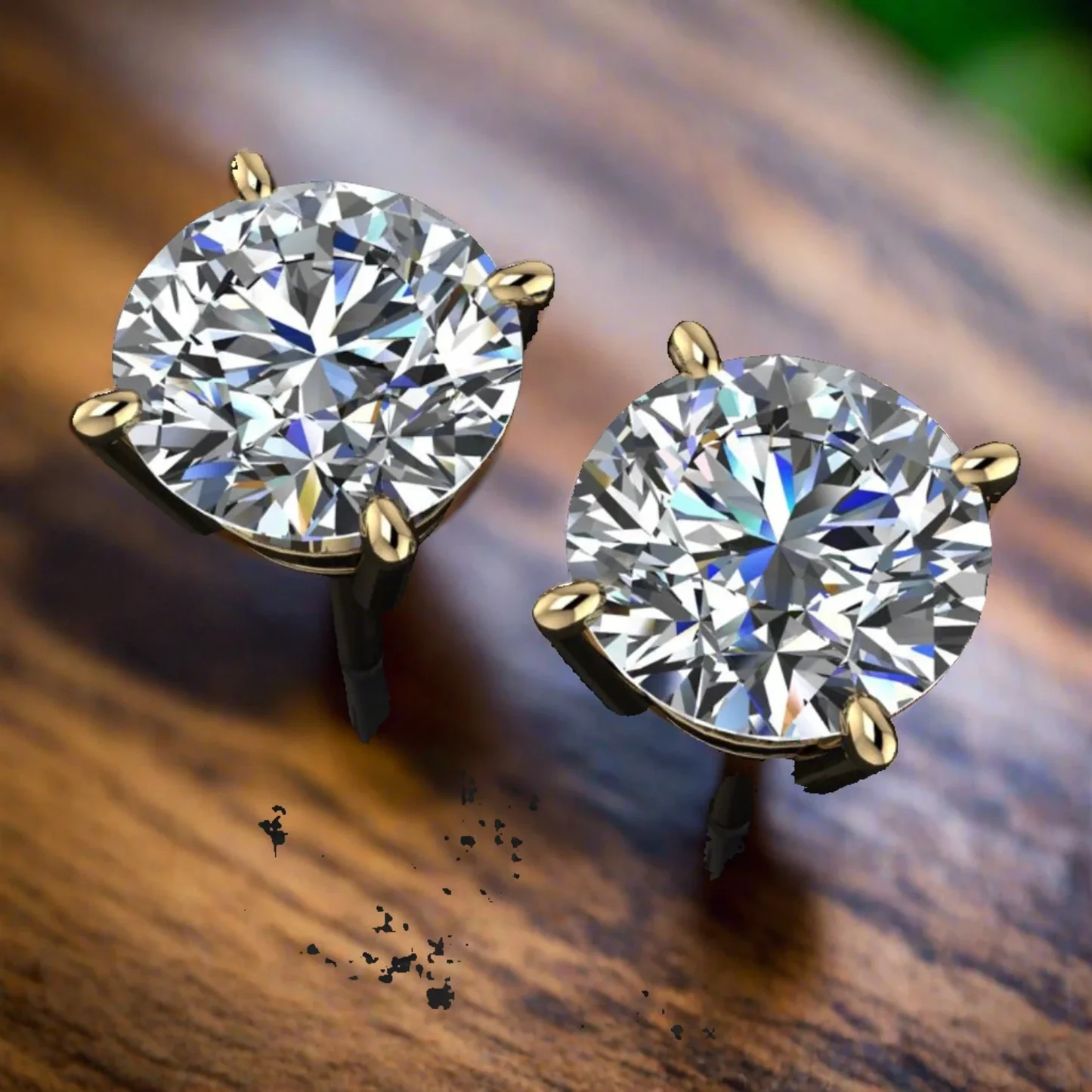
Moissanite size: carat equivalent vs millimeters
When shopping for moissanite, millimeter measurements are often more useful than carat labels. Carat is a unit of weight. Millimeters tell you the physical dimensions you will actually see.
This matters because moissanite and diamond do not have the same density. If you are comparing the two stones more broadly, see our moissanite vs diamond guide. Sellers therefore often use terms such as “diamond equivalent weight” or “carat equivalent” to make size comparisons easier.
Round moissanite size chart
| Approx. Diamond Equivalent | Approx. Round Diameter |
|---|---|
| 0.25 ct | 4.0 mm |
| 0.50 ct | 5.0 mm |
| 0.75 ct | 5.8 mm |
| 1.00 ct | 6.5 mm |
| 1.50 ct | 7.4 mm |
| 2.00 ct | 8.0 mm |
| 2.50 ct | 8.8 mm |
| 3.00 ct | 9.3 mm |
| 4.00 ct | 10.2 mm |
| 5.00 ct | 11.0 mm |
These are practical comparison figures. Cut proportions and manufacturer specifications can vary.
Why should you shop by millimeters?
Imagine two listings both described as a 2 carat equivalent moissanite. If one measures 8.0 mm across and another measures 8.4 mm, they will not look exactly the same from the top.
Millimeter dimensions make that difference visible before you order.
Carat does not mean visible size
Carat measures weight, not width. Two gemstones of equal weight can have different face-up sizes because of their shape and cut proportions.
Shape changes the comparison
An oval, pear or radiant stone needs two measurements: length and width. A 9 x 7 mm oval and a 7 mm round cannot be compared using one number alone.
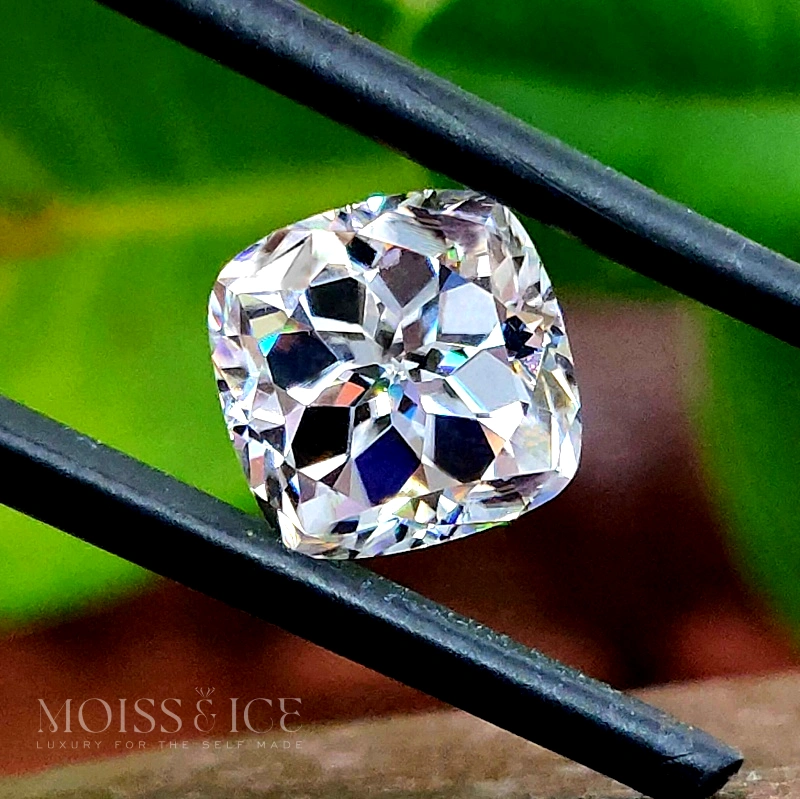
Common oval moissanite sizes
| Approx. Equivalent | Example Oval Dimensions |
|---|---|
| 1 ct | About 7 x 5 mm |
| 2 ct | About 8 x 6 mm |
| 3 ct | About 9 x 7 mm |
| 4 ct | About 10 x 8 mm |
| 5 ct | About 11 x 9 mm |
These dimensions are common reference points rather than universal grading standards.
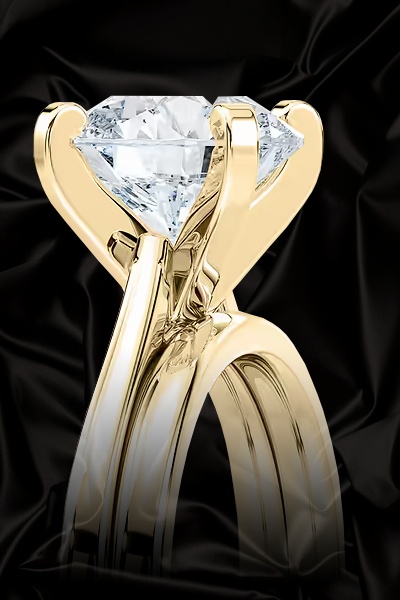
How big does moissanite look?
1 carat equivalent
A round 1 carat diamond-equivalent moissanite is commonly around 6.5 mm in diameter. On a smaller finger, that can provide noticeable coverage while still looking traditional.
2 carat equivalent
A round 2 carat equivalent is commonly around 8 mm. The increase from roughly 6.5 mm to 8 mm is easy to notice when the stones are viewed side by side.
Does finger size matter?
Yes. The same 8 mm stone can look larger on a size 4 finger than on a size 9 finger because it covers a greater percentage of the finger’s width. Band width also changes the overall balance.
Which moissanite shapes look largest?
Elongated shapes often give strong finger coverage because their length extends along the finger. Oval, pear, marquise and some radiant cuts are popular with shoppers who want a larger visual presence.
Round stones remain easy to compare because diameter gives you a simple reference measurement.
How should you choose your size?
Start with millimeters rather than the carat label. Then consider your finger size, stone shape, setting and how bold you want the ring to look.
You can compare finished moissanite rings in different stone shapes to see how dimensions work with actual settings.
Frequently asked questions
What size is a 1 carat moissanite in mm?
A round 1 carat diamond-equivalent moissanite is commonly about 6.5 mm in diameter.
What size is a 2 carat moissanite?
A round 2 carat equivalent is commonly around 8 mm. Elongated shapes use length and width measurements instead.
Is moissanite measured in carats?
Moissanite can be weighed in carats, but retail listings often use diamond-equivalent carat terminology. Check the actual millimeter dimensions for a clearer size comparison.
Is a 3 carat moissanite too big?
That depends on your finger size and preferred style. Millimeter dimensions and on-hand comparisons are more useful than the carat number alone.
The bottom line
When choosing moissanite, treat the millimeter measurement as one of the most useful numbers on the product page. Carat-equivalent labels make comparison easier, but dimensions tell you how much physical space the stone occupies.